


A Guide to Hosting Eco-Friendly Events at Kata Resorts
Phuket, one of Southeast Asia’s most iconic island destinations, attracts millions of visitors each year, bringing both economic growth and environmental pressure. Rising tourism has intensified concerns around waste, energy use, and over-tourism, making sustainability a critical priority for hospitality businesses and event organizers alike .
In this context, hosting eco-friendly events is no longer just a trend, it's a responsibility. Kata Beach, known for its scenic coastline and resort offerings, has become a hub for sustainable hospitality practices. Resorts in this area are increasingly integrating environmentally responsible initiatives, from reducing single-use plastics to sourcing local food and supporting conservation.
This sustainable event guide will walk you through everything you need to know about planning and executing eco-friendly events at Kata resorts, with practical tips, pricing insights, and real-world examples including how properties like Beyond Kata Resort are aligning with sustainability goals without compromising guest experience.
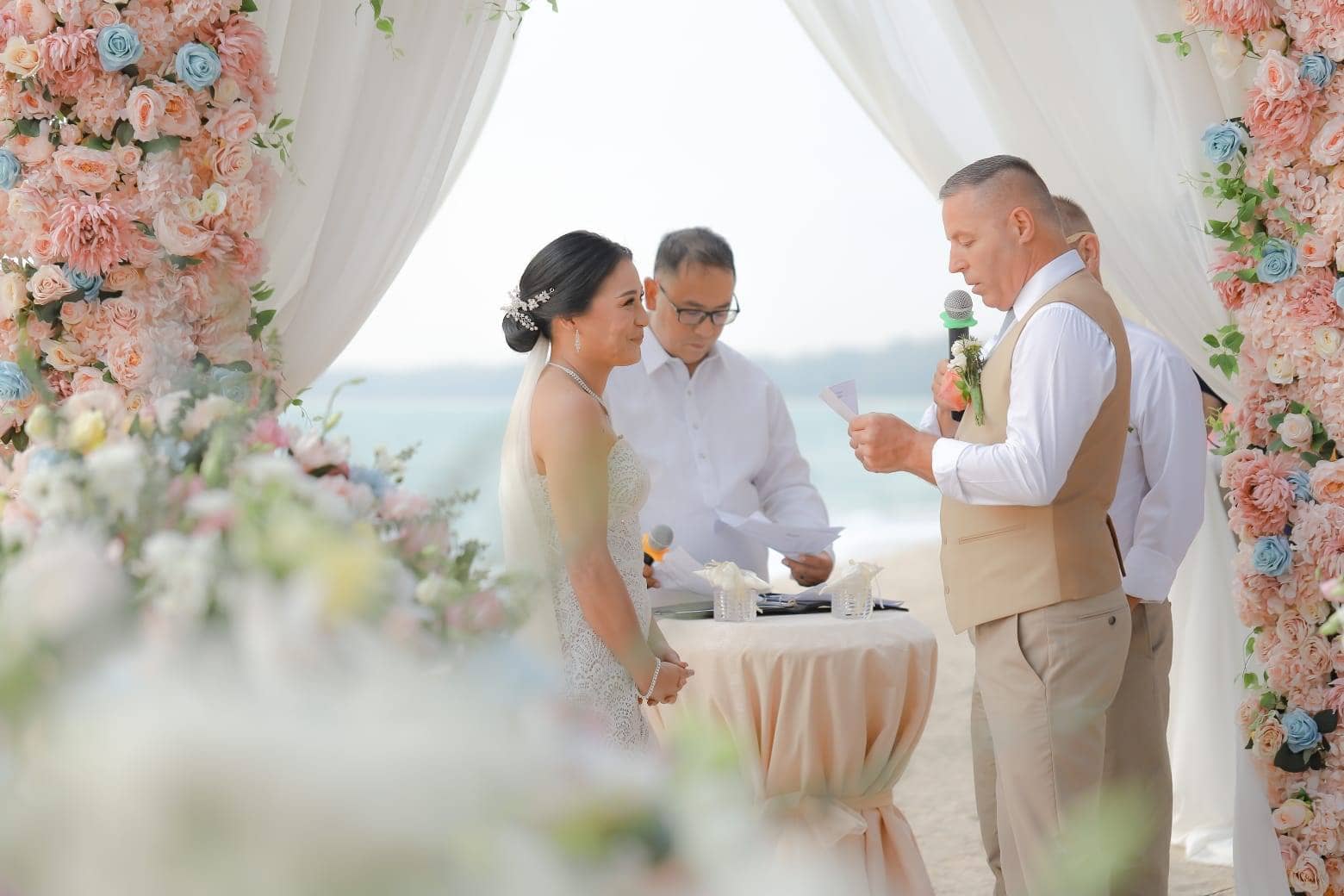
Understanding Sustainable Hospitality in Kata
An eco-friendly event minimizes environmental impact while supporting local communities and economies. In hospitality, this includes:
- Reducing waste (especially plastic)
- Conserving energy and water
- Supporting local suppliers
- Promoting environmental awareness among guests
Globally, leading eco-resorts have adopted practices like banning single-use plastics, implementing waste-to-energy systems, and offering sustainability education programs . These principles are increasingly reflected in Phuket’s resort landscape.
`
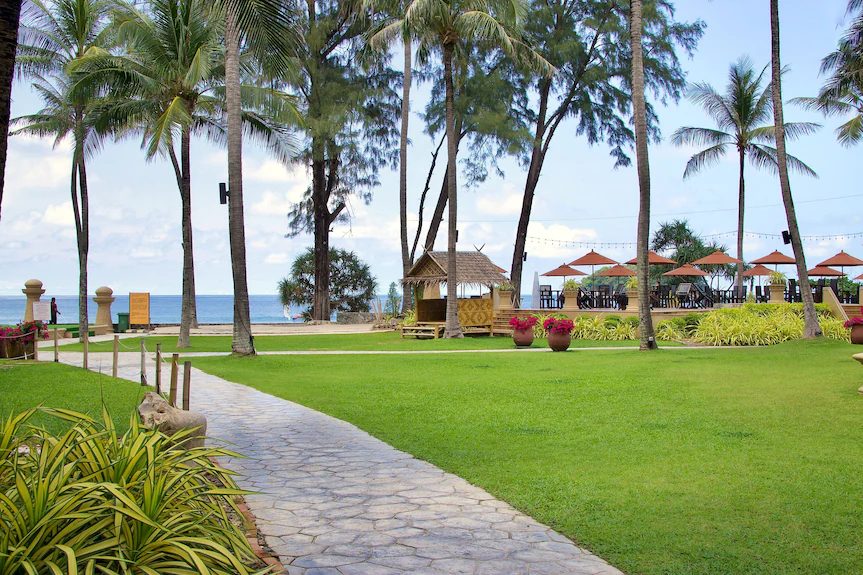
Kata Beach offers a unique combination of natural beauty and accessibility. Located on Phuket’s west coast, it stretches approximately 1.5 km along the Andaman Sea and is surrounded by lush hills and resort developments .
Key Advantages for Sustainable Events:
- Walkable beachfront venues reduce transport emissions
- Established resort infrastructure minimizes need for external builds
- Access to local suppliers for food, decor, and services
- Natural aesthetics reduce reliance on artificial decorations
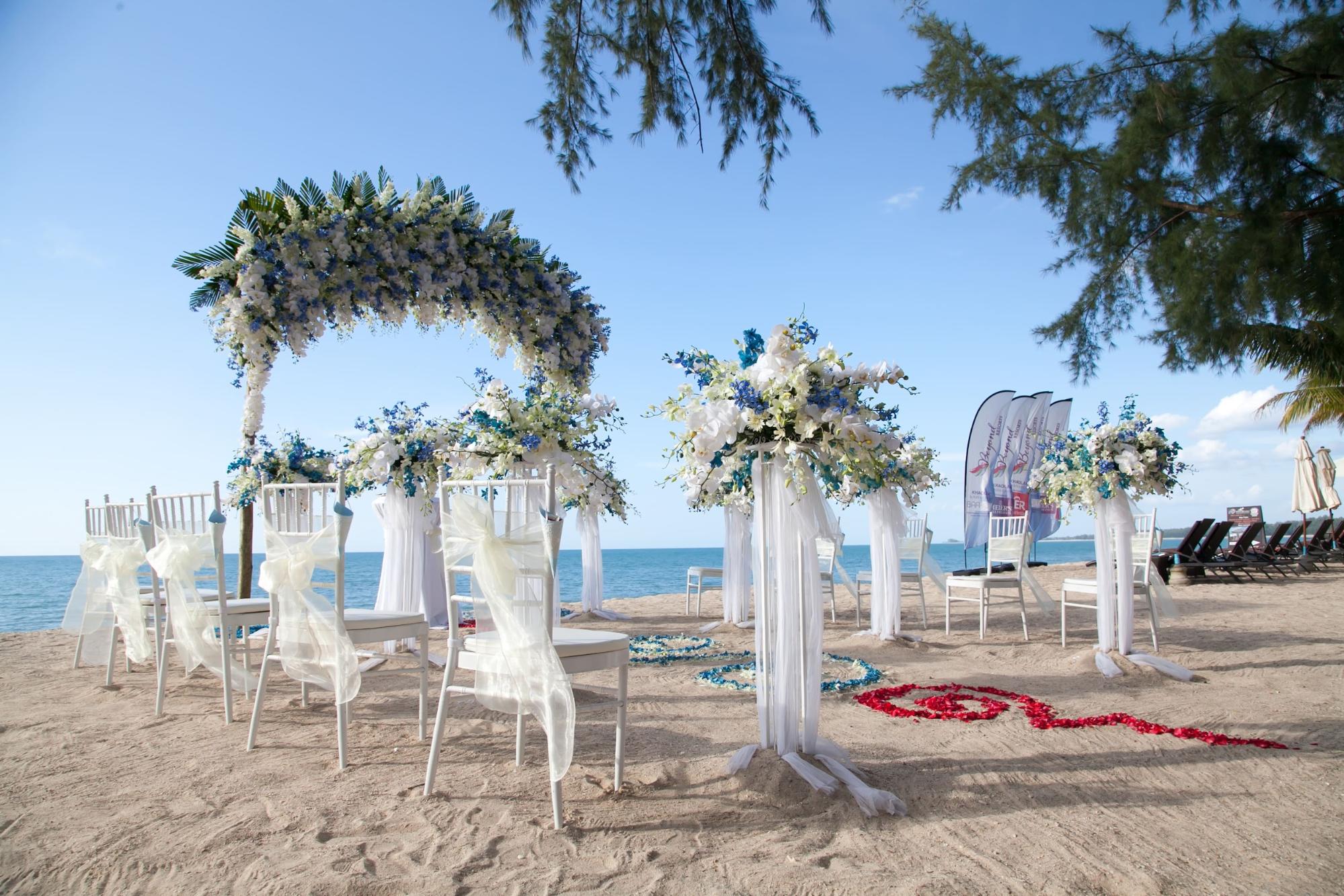
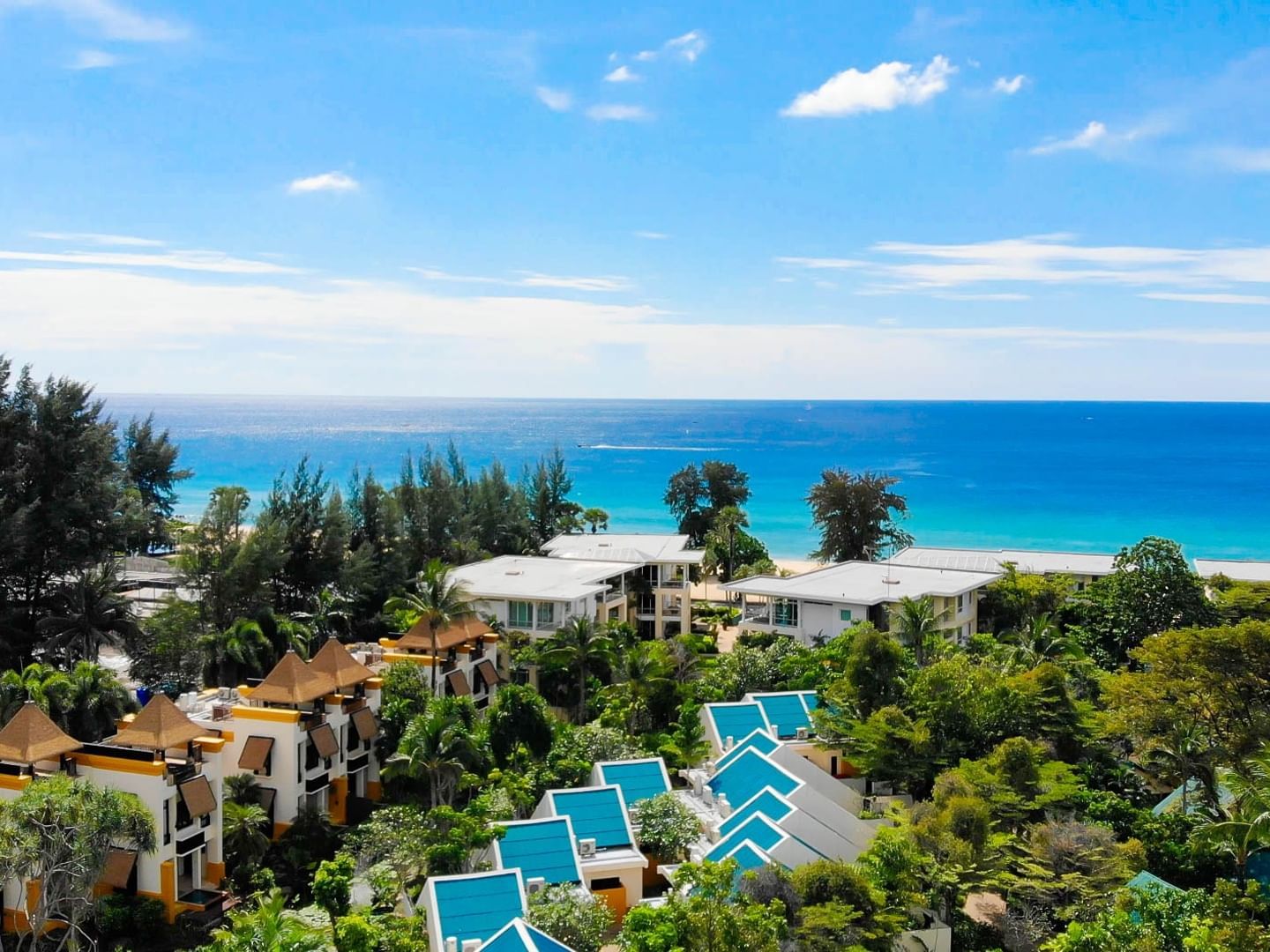
Among the many wedding resorts, Beyond Kata Resort stands out for blending beachfront accessibility with sustainability-focused hospitality.
Located directly on Kata Beach, the resort offers:
- Event capacity of up to 400–500 guests
- Multiple meeting rooms and beachfront venues
- Direct beach access (no road crossing required)
- A strong commitment to environmental sustainability
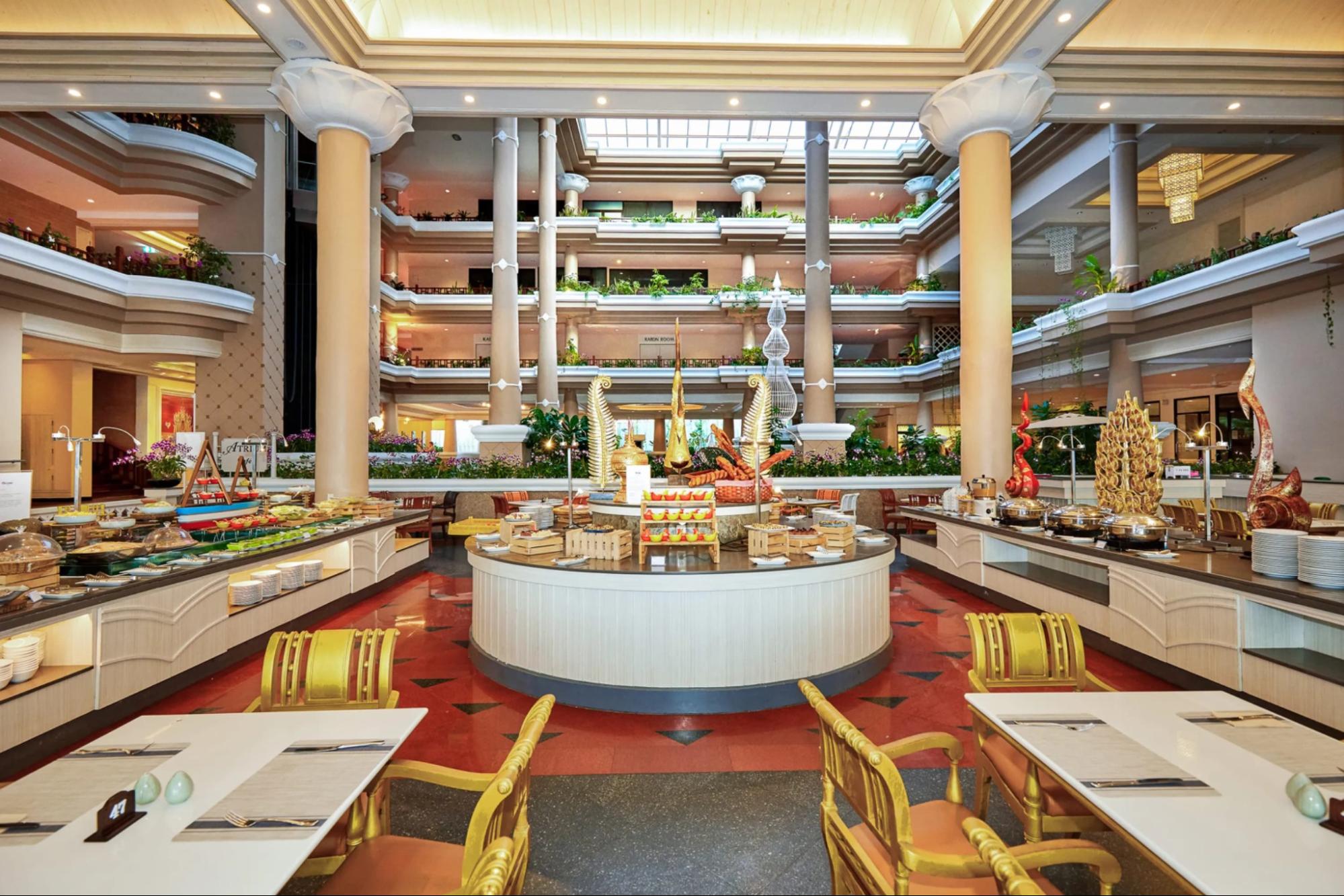
While exact pricing varies depending on the season and the level of customization, a realistic estimate for hosting events at Kata resorts can be outlined as follows. A half-day meeting package typically costs between THB 1,200 to 2,000 per person, while a full-day conference usually ranges from THB 2,000 to 3,500 per person. For a beach wedding setup, prices generally start from around THB 80,000 and can go up to THB 250,000 depending on the scale and design. A gala dinner usually costs between THB 1,500 to 3,000 per person. These prices commonly include the venue, basic audiovisual equipment, and catering services. If you choose sustainable upgrades such as zero-waste catering, eco-friendly decorations, or locally sourced materials, the total cost may increase by approximately 10–20%.
Step-by-Step Guide to Hosting an Eco-Friendly Event
1. Sustainable Planning & Goal Setting
Start with clear sustainability objectives:
- Reduce waste by X%
- Eliminate single-use plastics
- Source 70% of materials locally
Work with your resort’s event team early. Resorts like Beyond Kata offer in-house coordination, reducing the need for external vendors (and emissions).
2. Eco-Friendly Venue Setup
Best Practices:
- Use existing infrastructure (avoid temporary builds)
- Choose natural lighting over artificial lighting
- Opt for reusable or biodegradable decor
Examples:
- Bamboo arches instead of plastic structures
- Fabric banners instead of printed vinyl
- LED lighting to reduce energy consumption
3. Sustainable Catering
Food is one of the biggest environmental factors in events.
Eco Catering Strategies:
- Source local seafood and produce
- Offer plant-based menu options
- Avoid buffet overproduction
At wellness-focused venues in Phuket, plant-forward menus and customizable meal plans are already integrated into event offerings .
Estimated Catering Cost:
- Buffet: 1,200–2,500 THB per person
- Set menu: 1,500–3,000 THB per person
4. Waste Reduction & Plastic-Free Policies
A key trend in sustainable hospitality is eliminating single-use plastics. Leading resorts globally have replaced plastic bottles with refillable systems and compostable materials .
Actionable Tips:
- Provide refillable water stations
- Use digital event materials instead of printed programs
- Partner with local recycling or composting services
5. Sustainable Transportation
Transport is often overlooked but contributes heavily to carbon emissions.
Solutions:
- Arrange shared airport transfers
- Encourage guests to walk (especially in beachfront areas like Kata)
- Offer shuttle buses instead of individual taxis
6. Community Engagement
Sustainable events should benefit local communities.
Ideas:
- Partner with local artisans for event decor
- Include local performers or cultural experiences
- Organize beach clean-up activities as part of the event
Enhance your event with meaningful experiences:
- Beach clean-up sessions
- Coral reef conservation programs
- Wellness activities like yoga or meditation
These not only reduce environmental impact but also improve guest engagement.
Real Guest Expectations & Trends
Modern travelers and corporate clients increasingly expect sustainability:
- Preference for eco-certified venues
- Demand for plastic-free events
- Interest in authentic local experiences
In Phuket, where tourism growth has raised environmental concerns, sustainable event practices are becoming a competitive advantage rather than a niche offering .
Practical Recommendations for Event Planners
Do:
- Choose beachfront venues to reduce logistics
- Work with in-house resort teams
- Set measurable sustainability goals
Don’t:
- Over-decorate with single-use materials
- Ignore waste management planning
- Rely heavily on imported goods
Sample Eco-Friendly Event Budget (100 Guests)
For an eco-friendly event with 100 guests, the estimated budget can be planned at around THB 450,000 (approximately USD 12,500). This typically includes around THB 150,000 for the venue and basic audiovisual equipment, THB 200,000 for catering services, THB 50,000 for eco-friendly decorations such as reusable or biodegradable materials, THB 30,000 for sustainability-focused activities like beach clean-up sessions or wellness programs, and approximately THB 20,000 for miscellaneous expenses. This type of budget allows organizers to create a meaningful and environmentally responsible event experience while maintaining comfort and quality for guests.
The Future of Sustainable Events in Phuket
Sustainability in hospitality is evolving rapidly. Resorts are moving beyond basic eco-practices toward:
- Renewable energy adoption
- Carbon offset programs
- Zero-waste operations
Globally recognized sustainable resort brands have already implemented carbon levies, renewable energy systems, and integrated waste management facilities, setting a benchmark for the industry .
Kata’s resorts are gradually aligning with these standards, making it a promising destination for environmentally responsible events.
Conclusion
Hosting eco-friendly events in Kata is not only feasible, it's increasingly expected. With the right planning, venue selection, and sustainability strategies, you can create impactful events that align with both environmental values and guest expectations.
Resorts like Beyond Kata Resort demonstrate that sustainability and hospitality can coexist seamlessly, offering beachfront experiences, scalable event spaces, and eco-conscious operations.
By following this sustainable event guide, event planners can contribute to a more responsible tourism industry while delivering memorable experiences in one of Thailand’s most beautiful destinations.